
Thermal analysis
- temperature distribution and heat transfer within a building or vehicle cabin
- used to assess heating and cooling performance
Thermal comfort, indoor air quality and energy efficiency in a building or vehicle cabin.
Talk to an HVAC engineer arrow_forward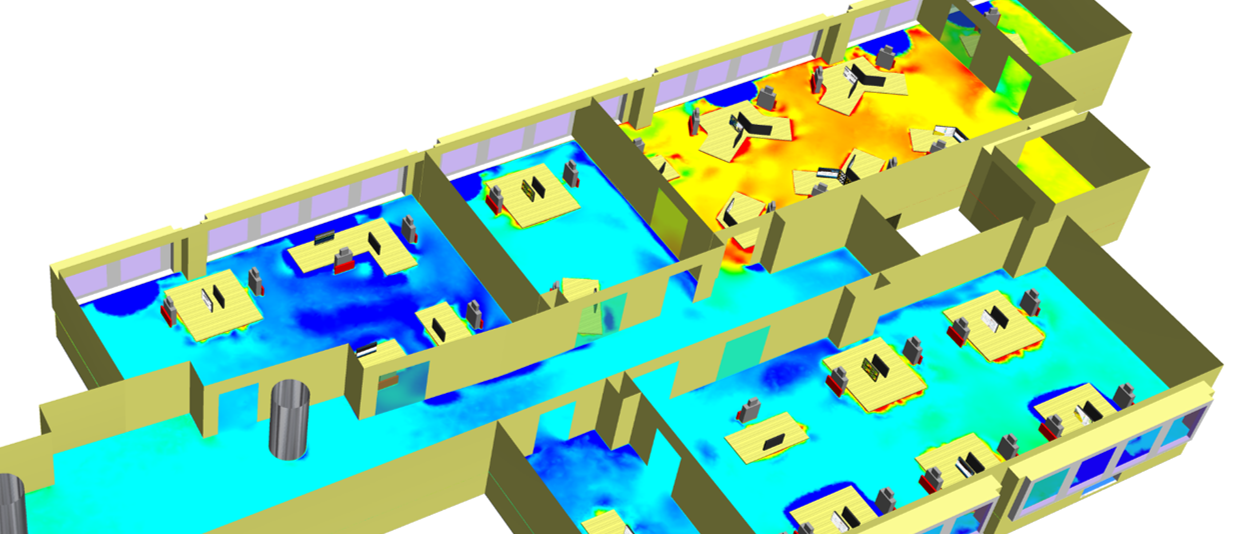
The aim of an HVAC analysis is to evaluate and optimize the heating, ventilation, and air conditioning system to ensure thermal comfort, indoor air quality, and energy efficiency within a building or vehicle cabin.
The outcome of an HVAC analysis is a detailed assessment of airflow, temperature distribution, cooling and heating loads, ventilation performance, and energy consumption. These results help engineers improve system performance, occupant comfort, and operational efficiency.
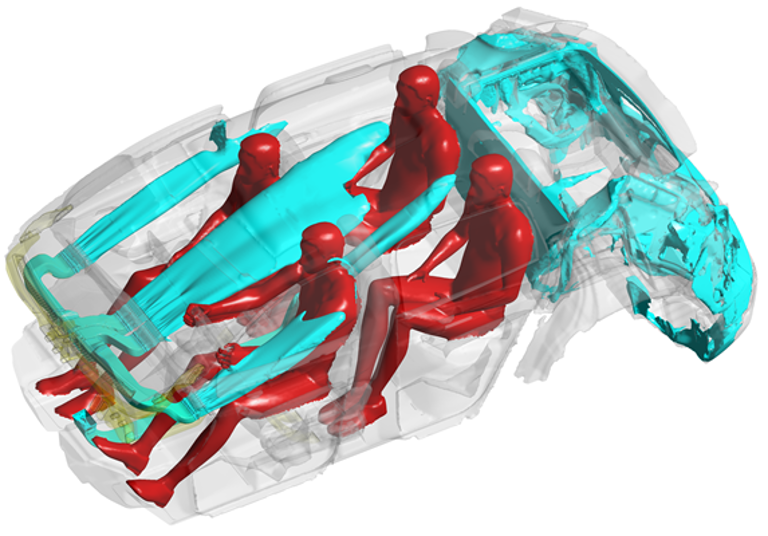
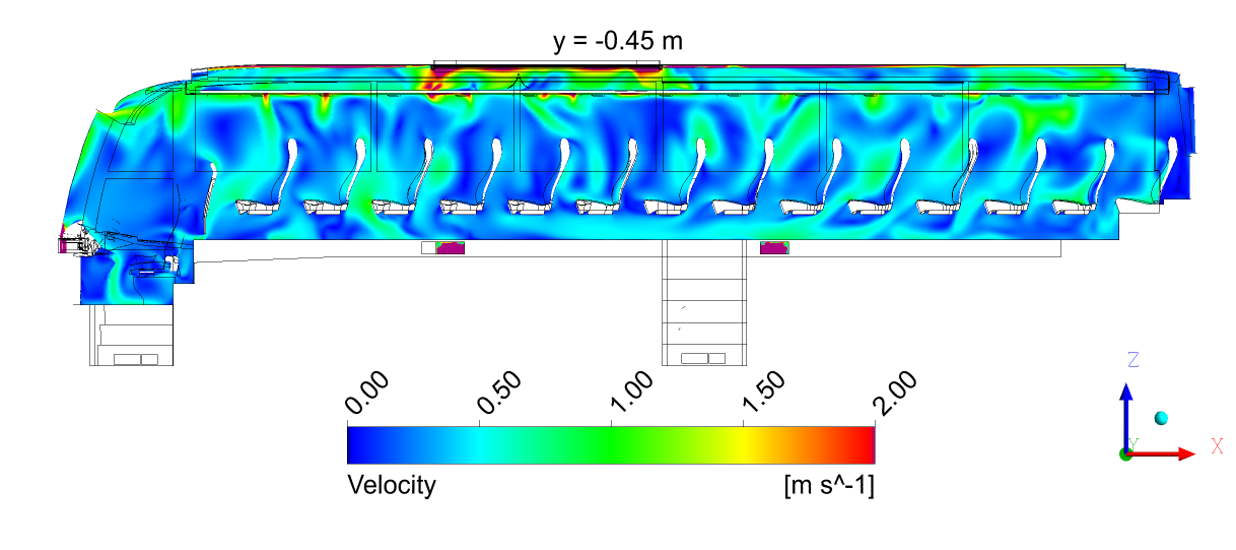
A thermal comfort analysis was to be performed for an autobus cabin to help coach designers select the best-suited HVAC system. We performed 3D CFD analyses with different boundary conditions and evaluated the PMV (Predicted Mean Vote) and PPD (Predicted Percentage of Dissatisfied) values acc. to ISO 7730 to investigate occupant comfort. HVAC system slots and duct design modification was suggested to improve performance and to avoid low-velocity zones.
Full case study arrow_forwardSchedule a discovery call and together we decide what is needed to achieve your design objectives.
Receive a proposal within 3 days. For a one-time project, a 2–4 week service package meets most clients' needs.
When all input data specified in the proposal is given, a kick-off call gets the project started.
We issue a project status report document outlining background, modeling details, boundary conditions to ensure common understanding of the details.
We work collaboratively and quickly to meet objectives, maintaining focus on how design variants will be impacted based on simulation results.
The project report is updated with simulation results and design suggestions, and meetings are used to discuss conclusions and define next steps.
Achieve greatness.
Drop your project specs below. We'll analyze your requirements and get in touch within 2 business days to discuss the technical approach.